Case study
Transport for NSW
Future-proofing the NSW freight network through systemic collaboration
Overview
Transport for New South Wales (TfNSW) is the lead transport authority for Australia's most populous state of more than 8.5 million residents. Freight plays a significant role in the state's transport system, contributing more than $74bn to the NSW economy. Facing rapid changes in freight demand, economic pressure, and rising complexity, the TfNSW Freight Branch needed to rethink how it collaborated across transport modes, state agencies, and industry partners, to deliver better outcomes with constrained resources.
Snowmelt, partnering with Fleming Job Hall (FJH), was engaged to co-design a bold demonstration project: a statewide collaborative approach built through a new, design-led and systemic way of working. Over a year of development, including six months in co-directing the project, we embedded with the Freight Branch, strengthening their strategic and facilitation capabilities while establishing enduring, repeatable collaboration practices.
The challenge
The Freight Branch was at a crossroads.The pandemic had created a rapid increase in freight demand and supply chain disruptions. Alongside this, more frequent natural disasters, climate risk mitigation and broader economic constraints were reshaping freight and transport needs across New South Wales. Demand on the Freight Branch had grown significantly to input into planning and policy across a range of other departments and other NSW agencies. As Freight Branch moved through a period of transition, collaboration across its diverse organisation became increasingly challenging. Their existing ways of working developed for mode-based planning no longer matched the interconnected challenges facing the system.
The Freight Senior Leadership Team recognised that system-wide change was required in order to sustain productivity as freight demand and population grows, and this would mean operating, planning and regulating differently. This involved establishing new relationships across internal divisions, new collaboration with other NSW agencies and partners, and a new strategic approach to driving improved freight outcomes. They commissioned a demonstration project designed to:
- Expand the department’s strategic scope to integrate freight across modes and agencies
- Create a first of its kind, dynamically updated digital framework
- Prototype an agile-inspired development process aligned with real planning and budget cycles
Snowmelt and FJH were engaged to guide the team into this new territory, helping them surface shared values, align on outcomes, and co-design a strategy and way of working capable of navigating long-term system complexity.
“Snowmelt and FJH's process and the support provided, enabled us to clarify what really mattered, focus on outcomes, and enabled us to lead the conversation on freight across all levels of government.”
What we did
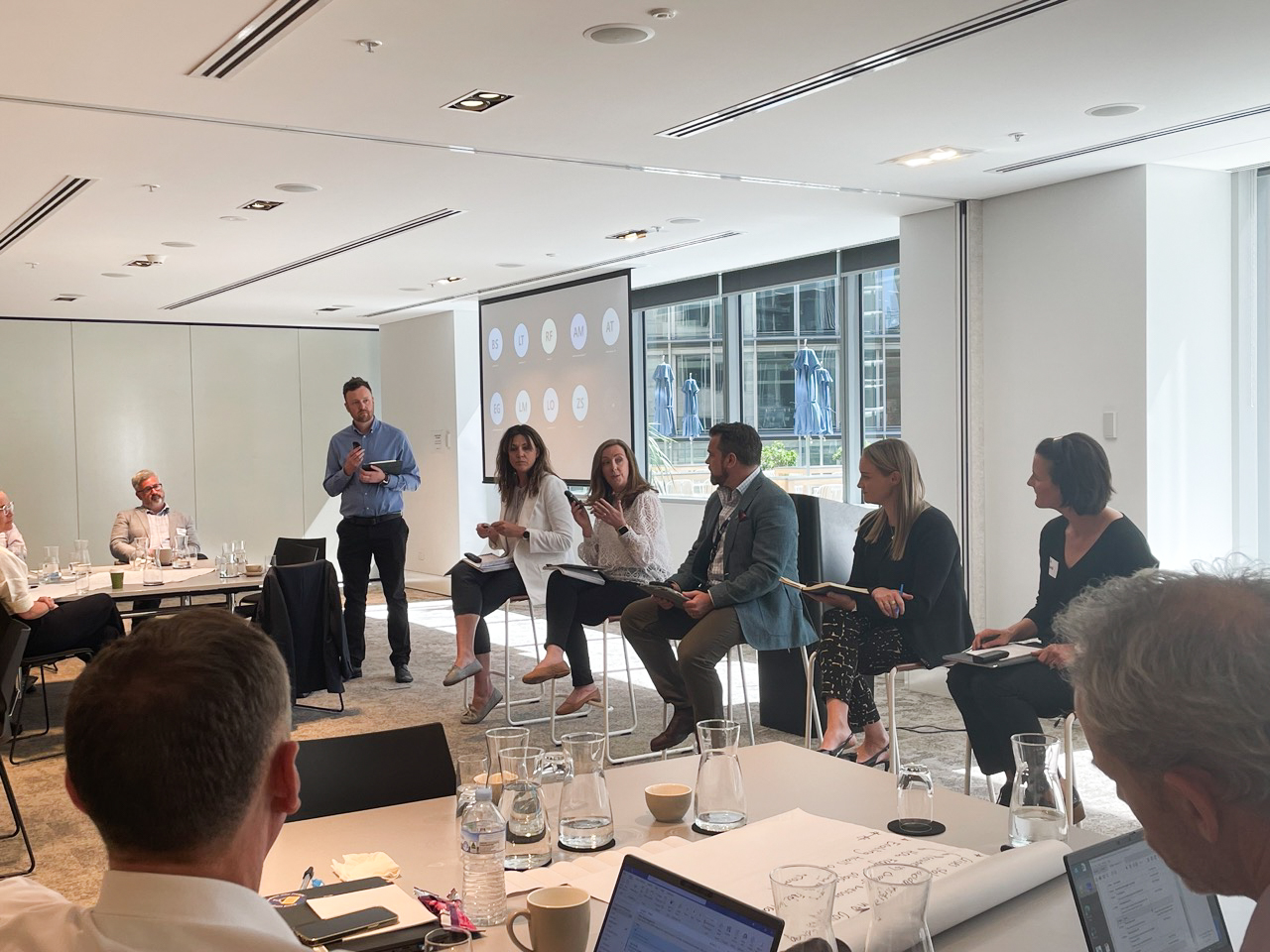
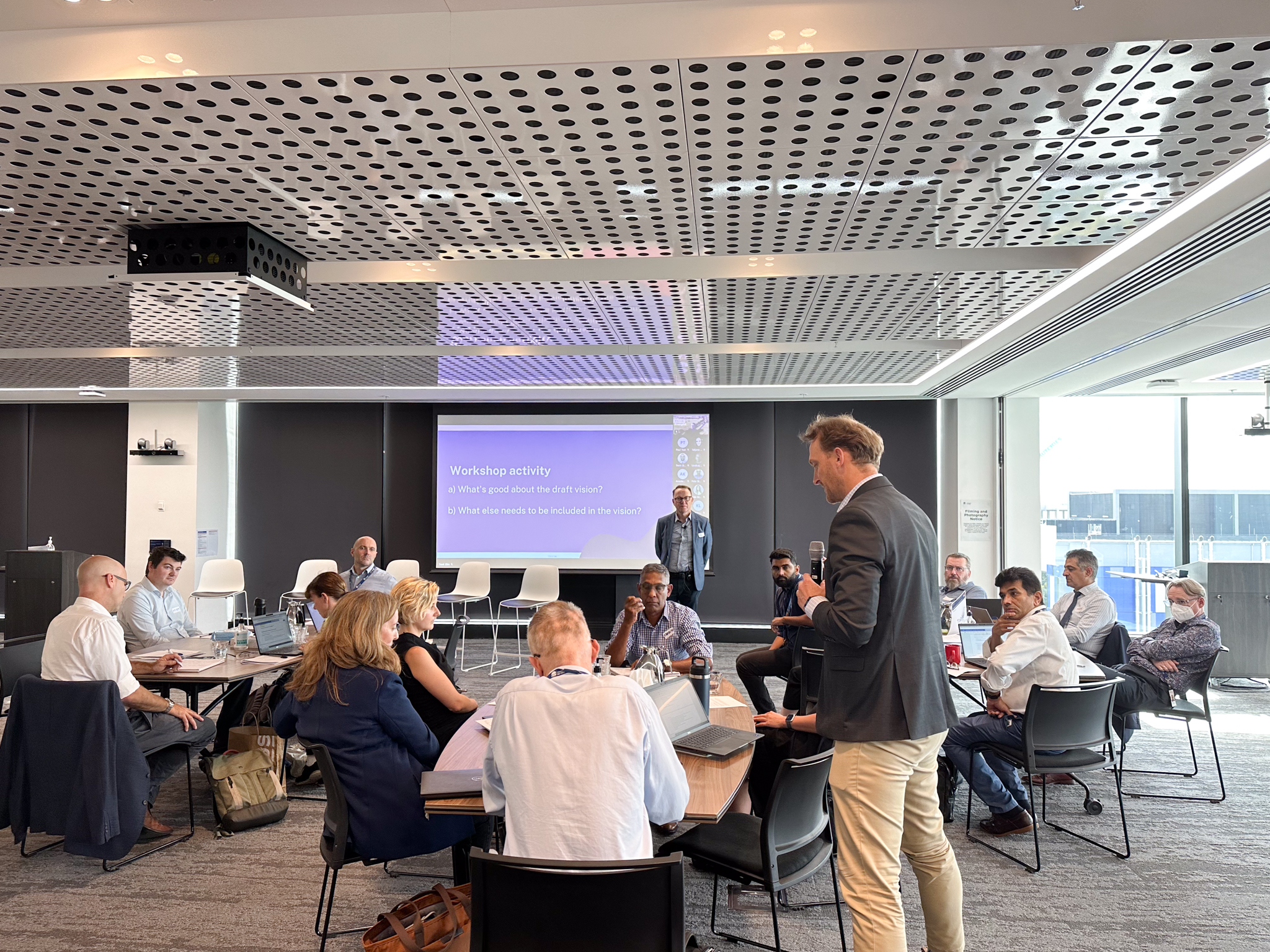
Snowmelt and FJH co-facilitated a collaborative, systemic strategic process while simultaneously building the team’s enduring capability to lead complex, multi-stakeholder work.
Key activities:
- Enabled the executive team to confidently lead a transformational change initiative
- Embedded an agile-informed strategic process in the Freight Branch
- Built design and facilitation capability across multiple divisions and organisational units
- Developed 30+ personas to reveal latent organisational needs and inform future planning
- Co-directed a cross-functional team of over 30 seconded staff
- Synthesised insights from 120+ departmental contributors
- Initiated ongoing constructive strategic dialogue with 150+ stakeholders across TfNSW and other NSW agencies
- Designed a repeatable delivery and governance model aligned to the annual planning cycle
Outcomes
90%
Increased organisational confidence
A new, repeatable pattern
“This project fundamentally changed how we do strategic work. Our people gained new skills, we built a coalition across the organisation, and we now have a repeatable model for collaboration that will shape how we plan and make decisions for years to come.”

Project Insights
- Human-centred design unlocks hidden system needs
- Systems-oriented approaches are essential for modern policy
- Facilitation skills create the conditions for transformation
01
Human-centred design unlocks hidden system needs
While the Freight Branch is familiar with human-centred design for customer outcomes, applying these methods internally illuminated previously unseen needs across the agency. By focusing on the lived experience of internal stakeholders, we surfaced misalignments, clarified expectations, and strengthened cross-agency relationships. This enabled the strategic approach to reflect not only the external transport system, but the internal system underpinning it, creating solutions that were both innovative and pragmatic.
02
Systems-oriented approaches are essential for modern policy
Rising complexity demands policy that understands interdependencies across modes, agencies, and long-term impacts. Adopting a systems lens enabled the Freight Branch to move from piecemeal solutions to coherent, integrated strategic choices. This approach revealed leverage points, clarified trade-offs, and helped unify disparate stakeholders around shared outcomes.
03
Facilitation skills create the conditions for transformation
Clear, output-focused agendas, open questioning, synthesis practices, and well-designed engagement rituals proved foundational to the program’s success. Establishing these basics early allowed the team to collaborate more deeply, navigate complexity with confidence, and build momentum toward a repeatable collaboration model. This built team capability and confidence to continue these practices and apply across their work and other projects.